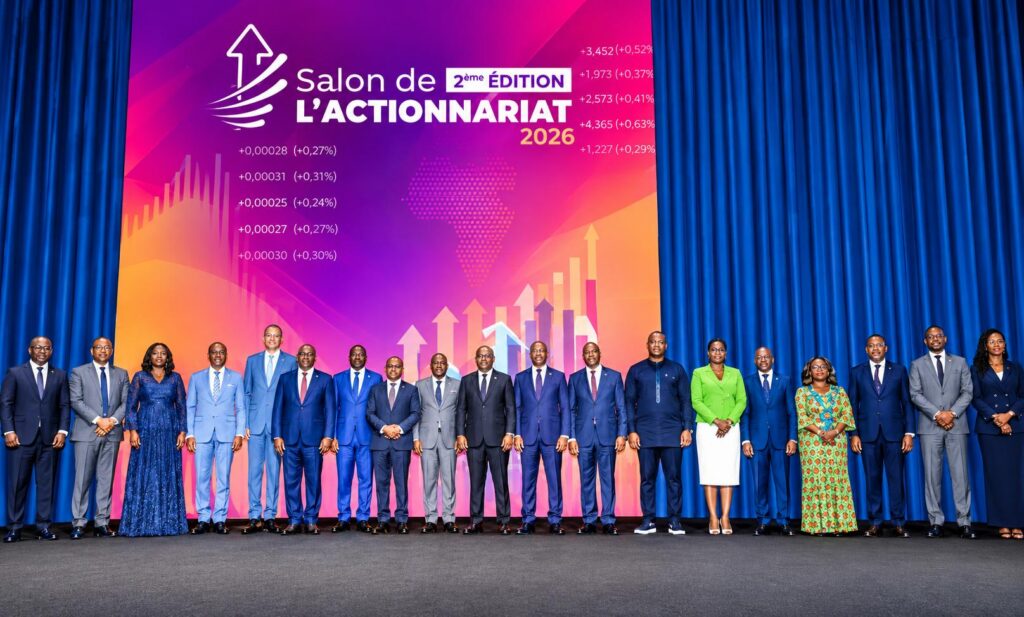
West African economies are sitting on a pool of domestic savings that could fund their own development. That is the core message from the second edition of the Regional Shareholding Forum, held in Cotonou from September 17 to 18, 2026.
The event, co-organised by UCA SGI and Dimensions Group, brought together institutional actors, business leaders and market specialists from across the West African Economic and Monetary Union (UEMOA). Their conclusion was blunt: the region must stop relying heavily on external capital and start mobilising its own resources.
Why the forum matters
The theme — “Shareholding and financial sovereignty: mobilising savings to accelerate economic transformation” — pointed to a stubborn contradiction. UEMOA economies are growing, yet their financial markets still fail to capture the region’s own savings.
Organisers and regulators argue that popular shareholding must be strengthened. Too much money sits idle or is parked in very short-term placements. Redirecting it into productive capital would give small and medium-sized enterprises, as well as large local groups, the equity they need to expand.
Three priorities that emerged from the talks
1. Opening up capital markets
Participants called for faster and simpler listings for local companies. A more dynamic Regional Stock Exchange (BRVM) is seen as essential to channel savings into business growth.
2. Inclusion through digital tools
The forum highlighted the role of digital platforms in bringing investment opportunities closer to the general public. Financial education was also flagged as a key driver to help citizens understand and trust market instruments.
3. Regulatory and tax reforms
Public policies need adjustment. Legal and fiscal frameworks should be designed to steer savings towards infrastructure and private-sector financing over the long term.
A question of strategic sovereignty
Representatives from the Central Bank of West African States (BCEAO), the UEMOA Commission and the Financial Markets Authority stressed the structural nature of this shift. By financing their own economies, states and businesses in the sub-region become more resilient to external shocks and international market volatility.
As the Cotonou meeting wrapped up on Friday, one point united all participants: citizens must be encouraged to become direct actors in regional economic growth through shared investment.
You may also like
Benin and Spain: a cultural pact built on art and diplomacy
Niger: Tiani’s post-coup purge strips 25 citizens of nationality
Benin and Cuba restart trade partnership through Cotonou chamber talks
Togo: one year since Marguerite Gnakadé’s arrest, the mechanics of silence remain
Benin and Reims launch master’s in sustainable engineering design at Sèmè City