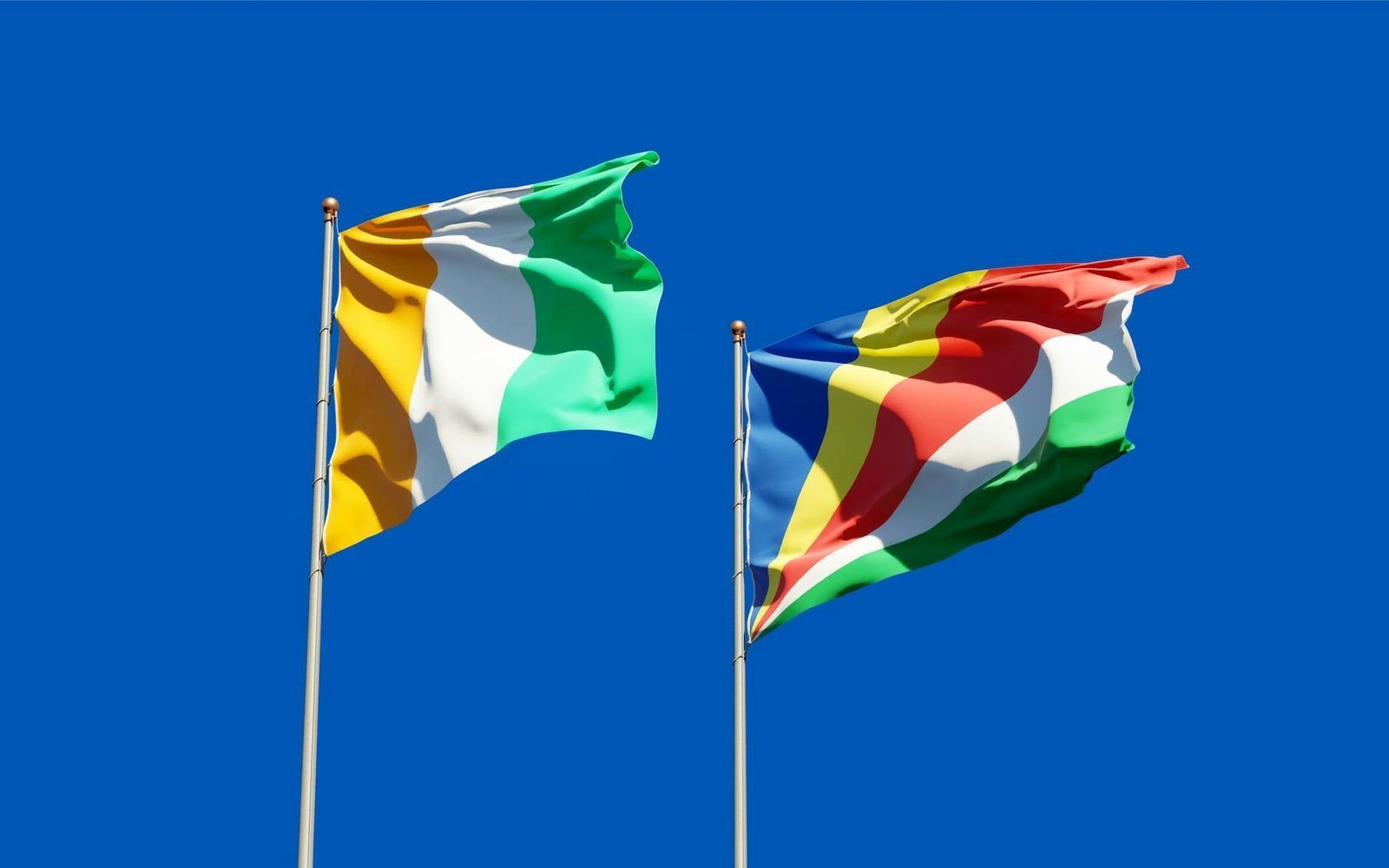
The presidential election in Côte d’Ivoire unfolded under a cloud of unease but concluded without any major incidents, as initial reports from Abidjan confirmed. Polling stations across the nation welcomed voters under a tightened security framework, with authorities maintaining heightened vigilance throughout the day. No large-scale disruptions were recorded by evening, dispelling earlier concerns about potential community clashes or post-election unrest.
Election day in Côte d’Ivoire: a high-stakes test for stability
This electoral process carried immense significance for the nation’s future. As West Africa’s largest economy, Côte d’Ivoire still bears the scars of the violent post-election crises in 2010-2011 and the unrest that followed the 2020 vote. Political factions, civil society groups, and international partners had all warned of potential flare-ups, particularly in volatile urban districts. The campaign period was punctuated by sharp rhetorical exchanges and scattered protests, deepening mistrust between ruling and opposition camps.
The coordinated deployment of defense and security forces, alongside the presence of national and international observers, played a pivotal role in preventing escalation. Electoral authorities launched repeated appeals for calm ahead of polling day, while political leaders urged their supporters to exercise restraint. This de-escalation strategy appeared to yield results in the hours following the close of voting.
Voter turnout under scrutiny as results process begins
While the voting phase remained largely peaceful, all eyes are now on the tallying and result consolidation stages. Historically, this is when disputes arise and tensions threaten to resurface. The Independent Electoral Commission (CEI) faces the critical task of delivering transparent and credible results that all stakeholders can accept; failure to do so could transform postelection dynamics into a more volatile challenge than the election itself.
Diplomatic missions, including those from Western and African capitals such as the Economic Community of West African States (ECOWAS), are closely monitoring developments. For Abidjan, the stakes extend far beyond national borders. Côte d’Ivoire serves as a cornerstone of regional stability in an area where constitutional ruptures in the Sahel and shifting diplomatic alliances between Bamako, Ouagadougou, Niamey, and coastal neighbors have reshaped the geopolitical landscape.
Why this election matters for West African democracy
The outcome of this presidential race will resonate across the subregion. In a West Africa rocked by multiple military takeovers in recent years, the conduct of a pluralistic and largely violence-free election sends a powerful signal. International investors—whose confidence directly impacts the country’s economic trajectory—are closely assessing both the integrity of the process and the resilience of Côte d’Ivoire’s institutions.
The most critical phase is only beginning. The announcement of results, their acceptance by losing candidates, and the handling of any appeals before the Constitutional Council will determine whether the country can consolidate its status as a democratic anchor in turbulent West Africa. Recent regional precedents—from Senegal to Guinea-Bissau—have demonstrated how quickly postelection scenarios can spiral, underscoring the fragility of even the calmest voting days.
In practice, the coming days will reveal whether Côte d’Ivoire can reinforce its reputation as a hub of stability amid the broader political realignments sweeping across West Africa. Today’s calm is a fragile achievement that must now be validated by the ability of institutions to resolve disputes with equanimity and transparency.