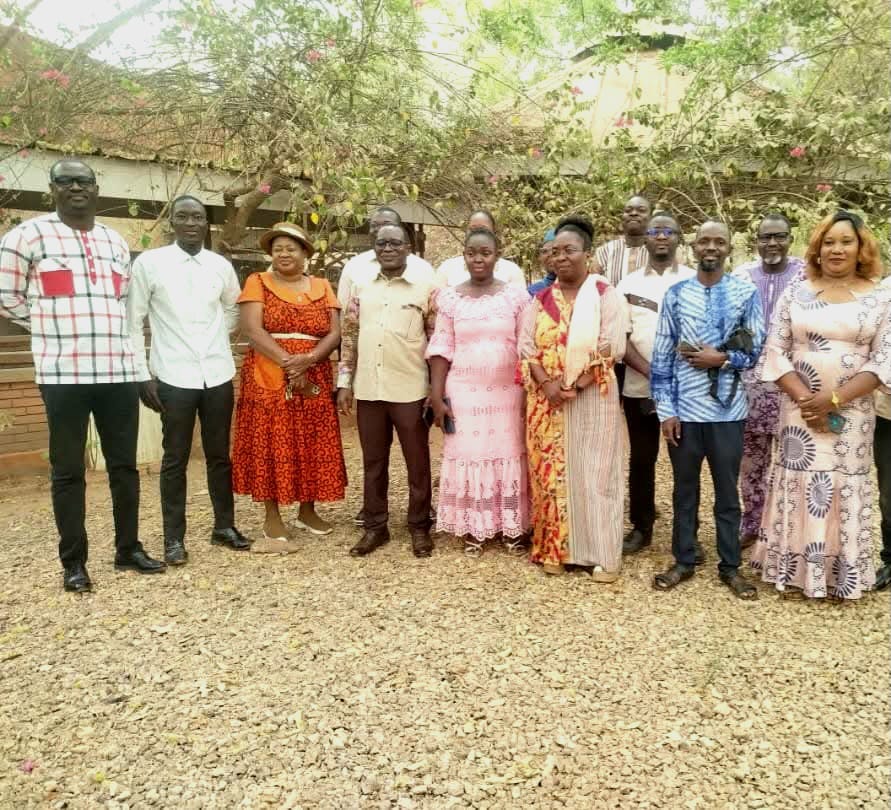
The African Media Network for Health and Environment Promotion (REMAPSEN) convened a vital discussion on Tuesday, March 24, 2026, addressing a critical topic: “Security crisis and declining external funding: what endogenous alternatives can guarantee sexual and reproductive health/family planning rights in Burkina Faso?”
Grappling with a persistent security crisis and the gradual withdrawal of international donors, Burkina Faso faces a significant hurdle: ensuring the continued provision of essential sexual and reproductive health (SRH) services.
Data from the Ministry of Health indicates that historically, nearly 81% of funding for this sector originated from foreign partners. In recent years, this external contribution has seen a sharp decline, compelling national stakeholders to devise internal, sustainable solutions.
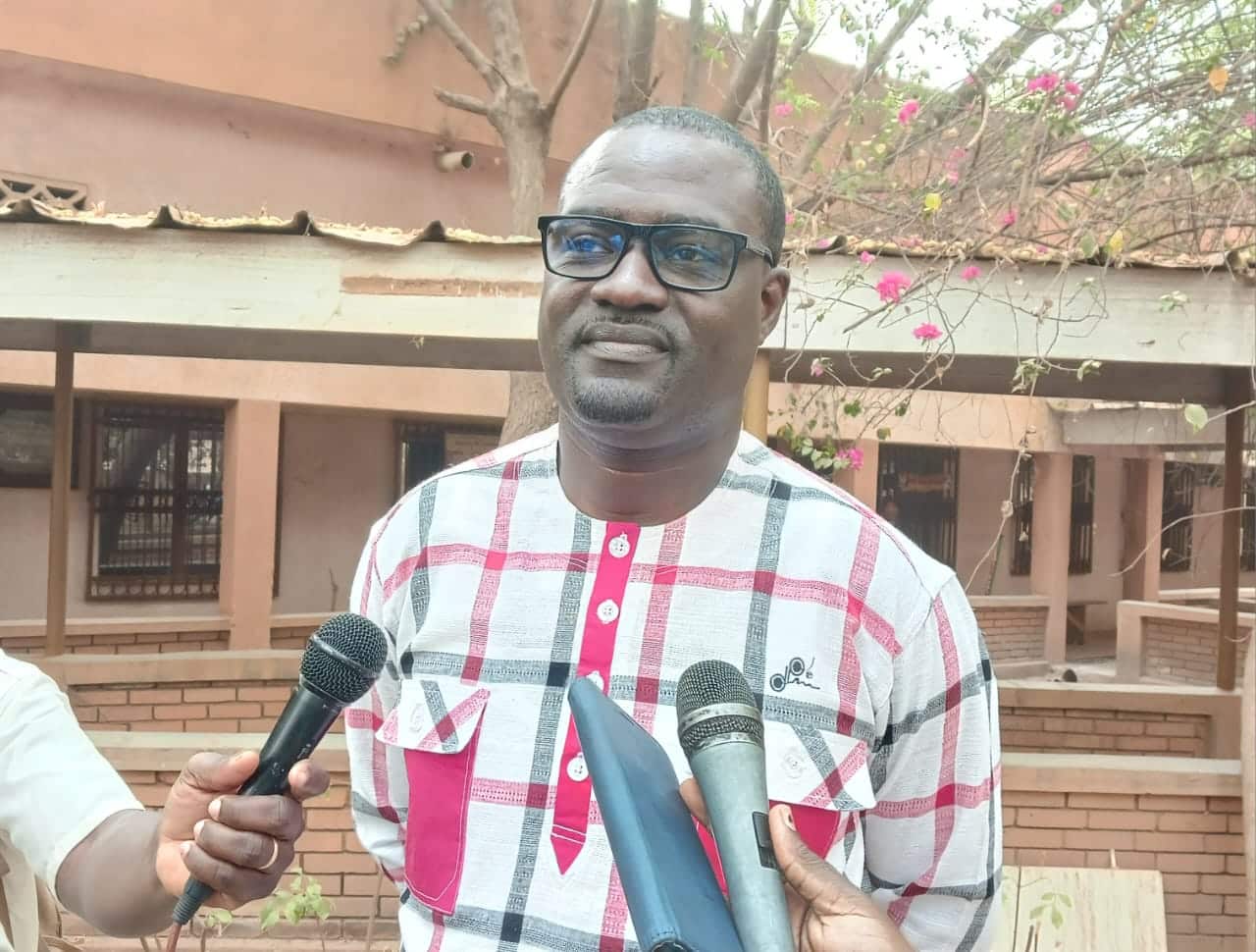
According to Désiré Thiombiano, director of AMS synergie Burkina Faso, the pathway forward lies in raising awareness and actively engaging communities.
He emphatically stated, “We can no longer simply wait for partners to return. We must take the initiative to invest in sexual health ourselves to prevent early pregnancies, child marriages, and maternal deaths.”
To achieve this, the expert recommended several key strategies: firstly, educating the populace on the importance of contributing to resource mobilization; secondly, strengthening positive masculinity by involving influential opinion and religious leaders in communication and advocacy efforts; and finally, formalizing community-level fundraising through local territorial collectives to ensure transparent and sustainable fund management.
Dr. Clarisse Bougma, representing the Director of Family Health, highlighted the ongoing commitment of the Burkinabè state. Between 2020 and 2025, the government allocated nearly 3.9 billion CFA francs towards procuring contraceptive products. Despite the reduction in external funding, the ministry remains dedicated to its initiatives, particularly in remote and hard-to-reach areas.
Lire aussi 👉 Santé sexuelle et de la reproduction : La CAPSSR-BF renforce les capacités de journalistes et communicateurs
“Mobilizing endogenous resources is a strategic imperative. It will ensure the long-term viability of our actions and accelerate the achievement of international objectives,” she underscored.
Boureima Sanga, the coordinator of REMAPSEN Burkina Faso, clarified that this gathering forms part of a broader advocacy drive aimed at enhancing journalists’ capacities.
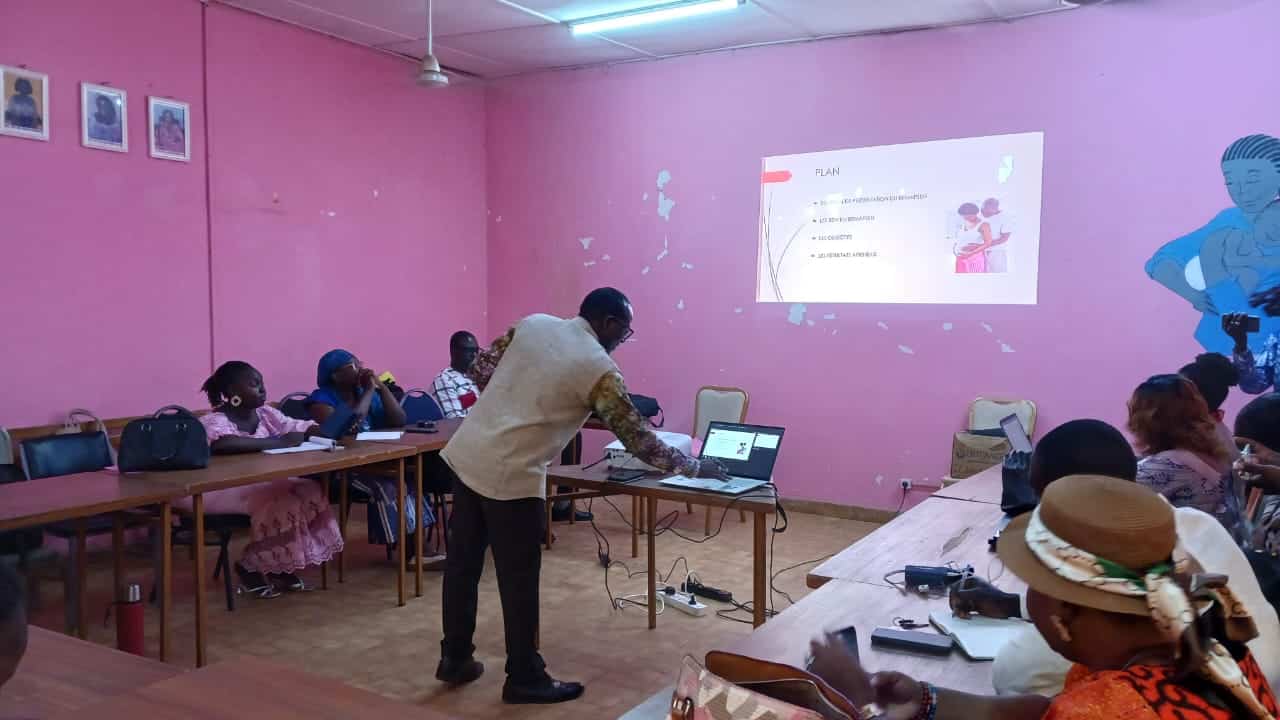
“In a context marked by multiple crises, it is crucial for media professionals to be well-informed about endogenous financing mechanisms to effectively raise public awareness and champion health sovereignty,” he affirmed.
Established in June 2020, the African Media Network for Health and Environment Promotion (REMAPSEN) regularly organizes such national events, supported by the Ouagadougou Partnership, to foster local and sustainable solutions for public health challenges.