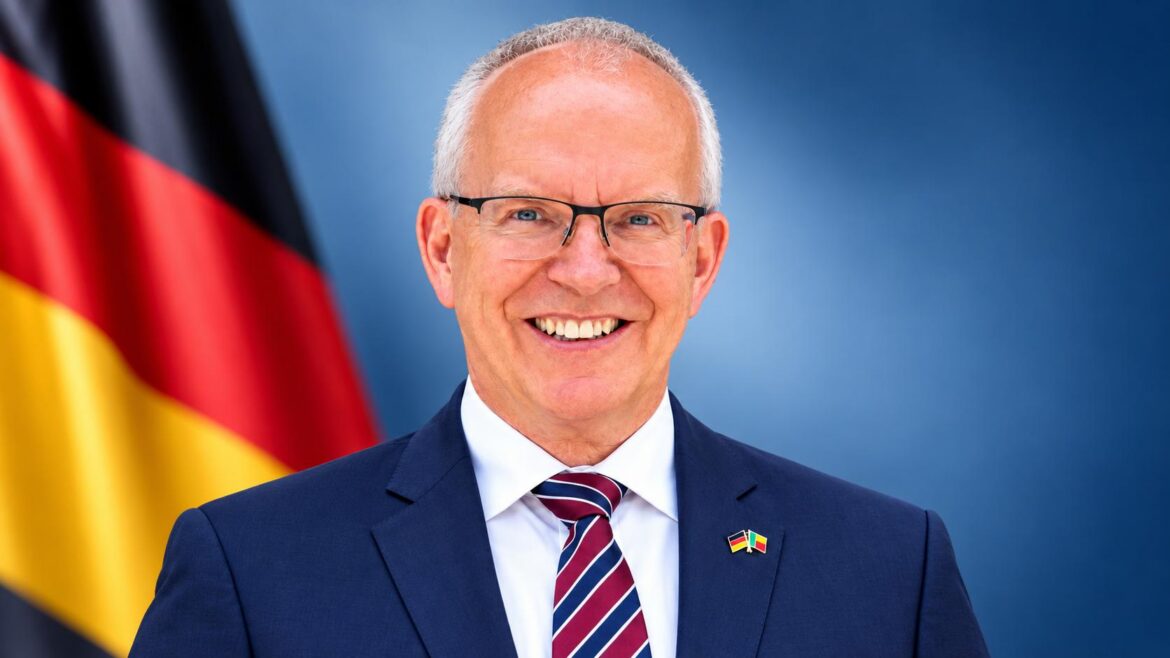
Could a €15 million injection redefine a transcontinental alliance? That was the central question on Thursday, 8 October 2026, when Beninese and German representatives wrapped up their strategic bilateral discussions at the Ministry of Economy, Finance and Cooperation in Cotonou. The talks, jointly led by Hugues O. Lokossou, the minister responsible for mobilising external resources and managing debt, and Dr Silvia Morgenroth, who heads the West Africa Division at Germany’s Federal Ministry for Economic Cooperation and Development (BMZ), were designed to lay the groundwork for intergovernmental negotiations slated for Berlin in 2027.
Unpacking the €15 million commitment
In a joint statement issued on Friday, 9 October 2026, the German delegation confirmed an additional €15 million — roughly 9.8 billion CFA francs — for the current year. This funding is split into two distinct tracks:
- Energy transition: Adding a solar component to the Nangbéto hydroelectric plant, creating a hybrid hydro-solar regional initiative.
- Local entrepreneurship: Expanding advisory and technical assistance for small and medium-sized enterprises, with a special emphasis on supporting women entrepreneurs.
Strategic pillars aligned with the government’s reform agenda
Praising Cotonou’s dedication to economic and financial reforms, the German officials reaffirmed their backing for the government action programme (PAG) in three critical areas:
- Financial governance and decentralisation: Strengthening local and territorial budget management capacities.
- Private sector growth and vocational training: Matching skills development with labour market needs for young people.
- Water management and biodiversity conservation: Boosting communities’ environmental resilience.
The real significance of Berlin 2027
Both governments also restated their mutual commitment to reinforcing the rule of law, democracy and multilateral principles. Yet the decisive moment lies ahead: the two sides formally confirmed their major bilateral summit in Berlin in 2027, where future multi-year commitments for the partnership will be decided. Until then, it remains uncertain whether this €15 million boost is merely a stopgap or the foundation of something far more ambitious.